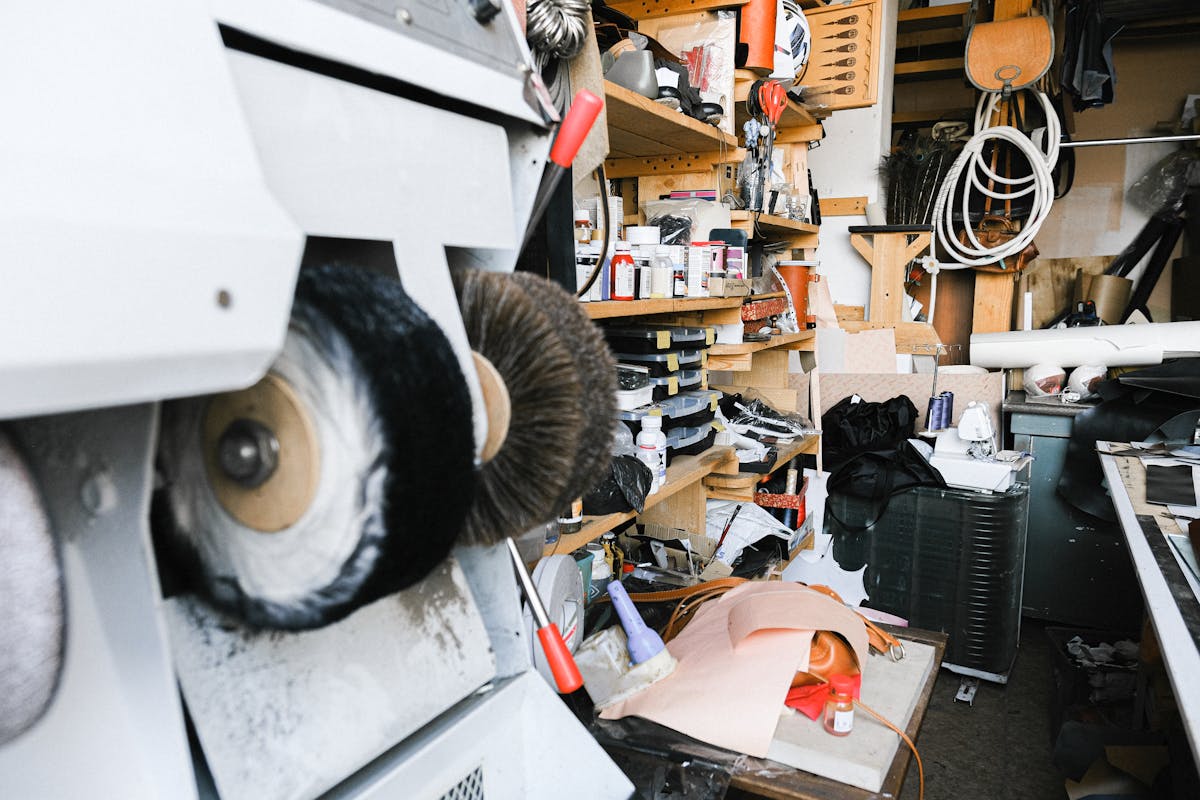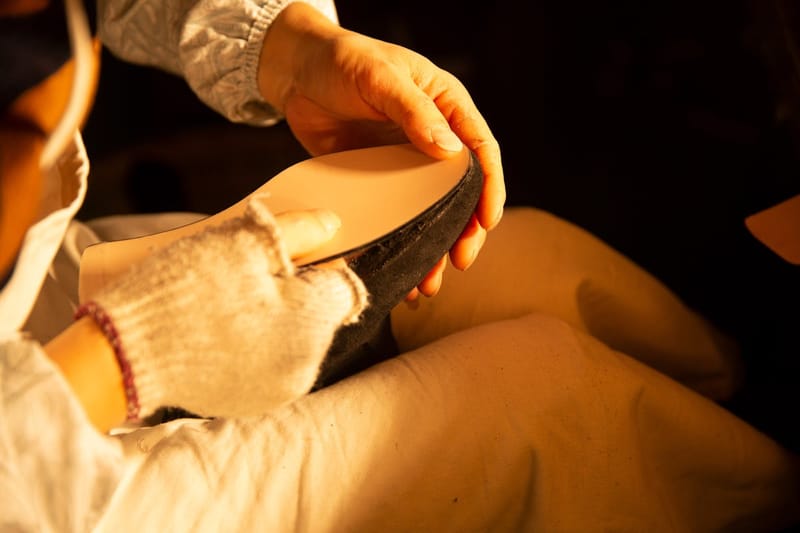
Last week, I dropped off a pair of J.M. Weston at my cobbler’s. Soles worn down to the welt, collapsed heels, leather scarred by three years of Parisian sidewalks. The verdict came in fifteen seconds: full resole, patina touch-up, reshaping. A hundred and eighty euros. Three weeks’ wait. And twenty-five euros knocked off automatically through the bonus réparation.
Twenty-five euros. It’s nothing. And it’s everything.
The numbers
The bonus réparation for textiles and leather has existed since November 2023. Two years and four months. It’s managed by Refashion, the industry’s eco-organism (France’s producer responsibility body for textiles), and funded by the brands themselves through an eco-contribution levy. The idea: a direct subsidy to the consumer, deducted at the till by certified repairers, to encourage repair over replacement.
The numbers are in. 1.7 million repairs subsidized in two years. 84% at cobblers. The rest split between tailors, seamstresses, and multi-service repair shops. 13 million euros distributed to consumers since launch.
The scheme found its audience among cobblers. But most French people don’t know it exists, or where to go. Refashion claims 1,500 certified repairers. France has 67 million inhabitants. Do the math.
But there’s one number more interesting than all the others. For the first time in ten years, the number of cobblers in France has stopped declining. Not increased. Stopped declining. It’s a plateau, not a recovery. But in a trade that was losing 3 to 5% of its workforce every year for two decades, a plateau counts as a victory.
What nearly disappeared
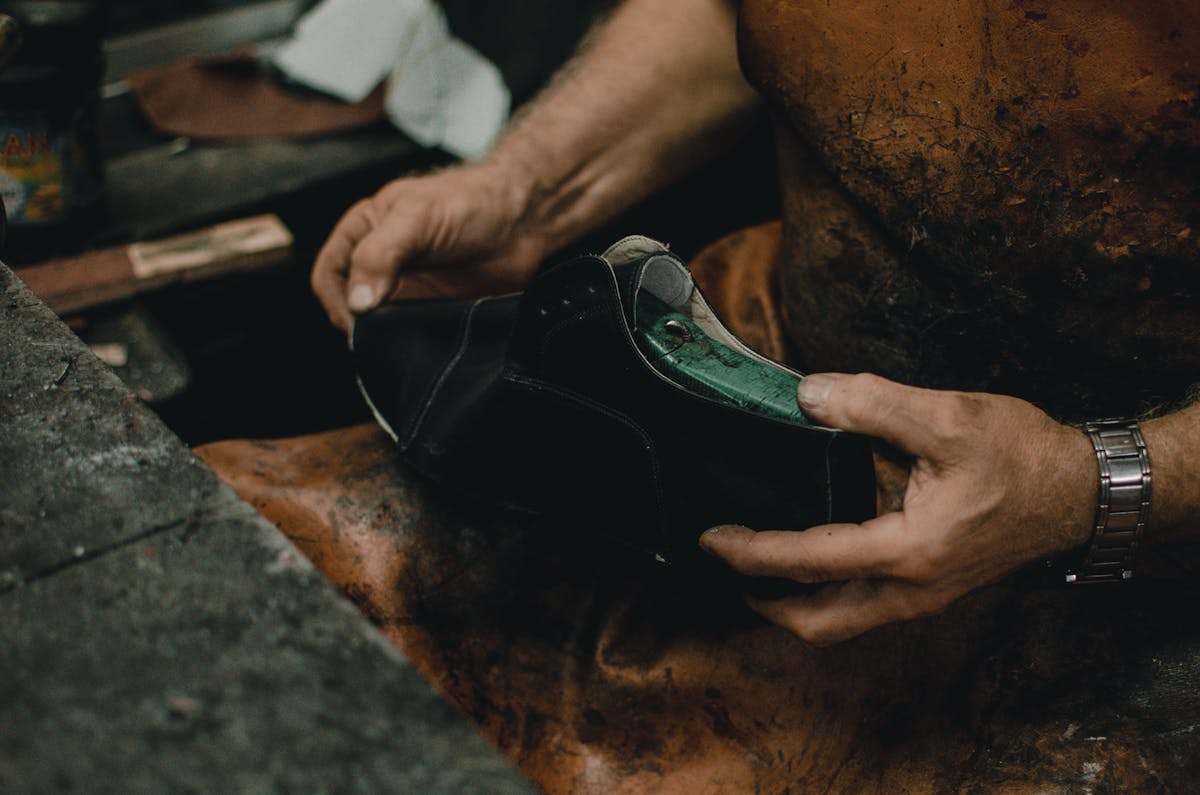
My grandfather had his shoes resoled the way people had their cars serviced. Naturally. There was no “bonus” for it. There was a cobbler at the end of the street, and the idea of throwing away a pair of shoes because the sole was worn would never have crossed his mind. Not out of environmental virtue (the word didn’t exist yet). Out of common sense.
The neighborhood cobbler vanished for the same reasons as the cheesemonger, the hardware shop, and the knife grinder. The price of shoes dropped. Not their quality - their price. When a pair costs thirty euros, repairing it for forty makes no economic sense. You throw it away, you buy again. Fast fashion made repair irrational.
In the 1950s, France had 45,000 cobblers. Today, roughly 3,500 remain. Over 90% of workshops closed in two generations. The FFCM (Fédération française de la cordonnerie multiservice, France’s cobbler trade federation) had been sounding the alarm for years. Cobbling schools were shutting down. Apprentices stopped coming. A thousand-year-old trade was dying - not because people no longer had shoes, but because shoes no longer held enough value to deserve repair.
The price paradox
Here’s the crux of it. The bonus réparation changes nothing if what you buy isn’t repairable.
Take a pair of sneakers with a glued sole. The most skilled cobbler in the world cannot resole a shoe whose sole is fused to the upper by injected polyurethane foam. It’s not a question of skill. It’s a question of design. The shoe was built not to be repaired. It was built to be replaced.
There’s something deeper going on. We no longer buy to keep. We buy to replace. This season’s sneaker will be next season’s, slightly different, and the old one will end up in a charity bag or a bin. This isn’t even planned obsolescence in the industrial sense. It’s cultural obsolescence. The object still works, but it’s “outdated.” Marketing has done its job: what matters is novelty, not longevity.
And it’s not just fast fashion. Even quality houses are giving in. J.M. Weston, which built its reputation on the Goodyear welt, now offers models with glued soles or half-Blake construction. Easier to produce, cheaper to manufacture, significantly harder to resole. The customer doesn’t always know. They buy “Weston” thinking they’re buying durability. Sometimes they’re buying a shoe whose sole will end up in the bin. The name reassures, even when the construction no longer does.
The bonus réparation exposes this contradiction. It asks a question nobody likes hearing: is what you’re buying worth repairing?
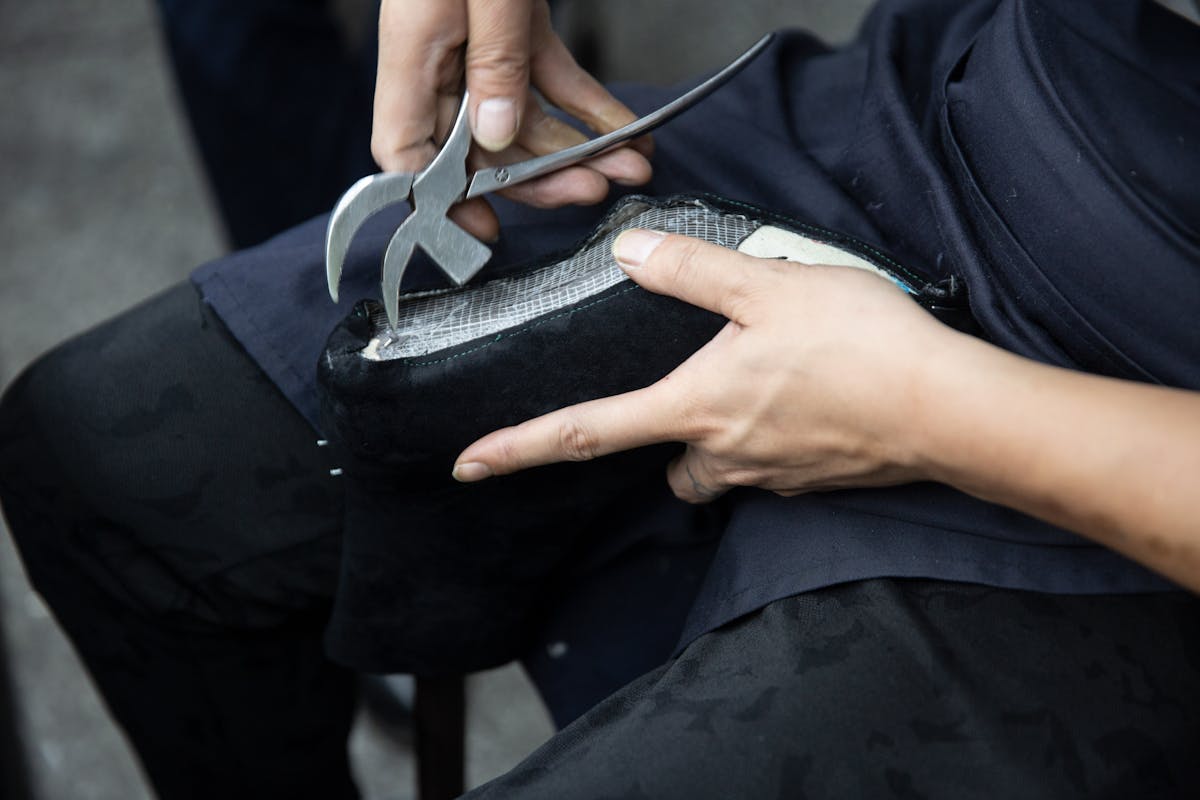
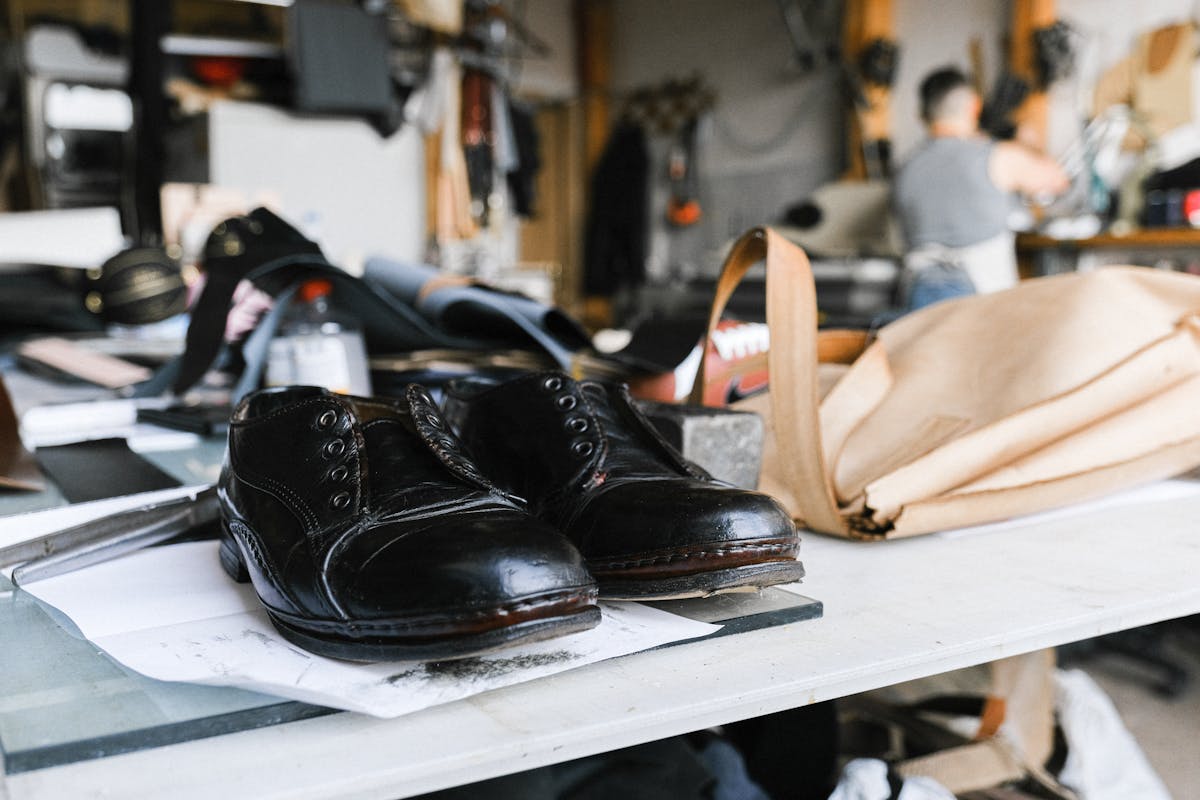
A J.M. Weston shoe is built on a Goodyear welt construction. The sole is attached to the upper by a welt strip and a two-point stitch that allows the sole to be replaced without touching anything else. Weston guarantees its shoes for life, in the literal sense: as long as the upper is in good shape, they’ll resole it. Their Limoges workshop receives pairs that are thirty years old. Resoling costs between 150 and 200 euros. The pair cost 700 new. After three resoles, the cost per wear per year is lower than that of a pair thrown away every eighteen months.
Red Wing has offered the same service for decades through its resoling program. Crockett & Jones resoles its shoes at its Northampton factory. Paraboot manufactures its own natural rubber soles at its Izeaux factory and replaces them indefinitely.
These brands didn’t wait for the bonus réparation to make their products repairable. They did it because it’s the very foundation of what they sell: an object that lasts.
The political act
I don’t like the word “sustainable.” It’s been drained of meaning by too many brands using it to sell recycled polyester at a premium. But there’s a truth behind the word: buying something that can be repaired is a choice. A choice with consequences.
Every resoled pair is a pair that doesn’t get manufactured. That’s arithmetic, not armchair environmentalism.
And it’s a choice the bonus réparation makes slightly easier. From seven euros for a heel replacement to twenty-five euros on a full leather resole. The subsidy itself isn’t the game-changer (nobody gets their shoes repaired to save twenty-five euros). It’s the signal. The fact that the state, through an industry-funded scheme, is officially saying: repair is normal. Repair is desirable. Repair is supported.
It took two years for the message to start getting through. Certified cobblers display the Refashion logo in their windows. Customers are asking. Not all of them. Not enough of them yet. But they’re asking.
What’s missing
The bonus réparation won’t solve everything. Three things are lacking.
First, visibility. Ask around you who knows about the textile repair bonus. One in ten, maybe. The scheme exists, the money is there, but communication lags behind deployment. Refashion does what it can with its budget. It’s not enough.
Second, access. 1,500 certified repairers sounds like a lot. But relative to the population and the territory, it leaves entire areas without a solution. Mid-sized towns, rural areas, the suburbs: these are the places where fast fashion dominates most, and where cobblers disappeared first. The bonus is useless if there’s nobody to apply it.
Third, education. We’ve forgotten how to maintain our things. We no longer know how to polish shoes, fit new toe taps, condition leather. It’s not a generational issue (people in their forties don’t know any better than people in their twenties). It’s a cultural one. We’ve lost the reflex, and the bonus réparation alone won’t bring it back.
Le Printemps des Cordonneries
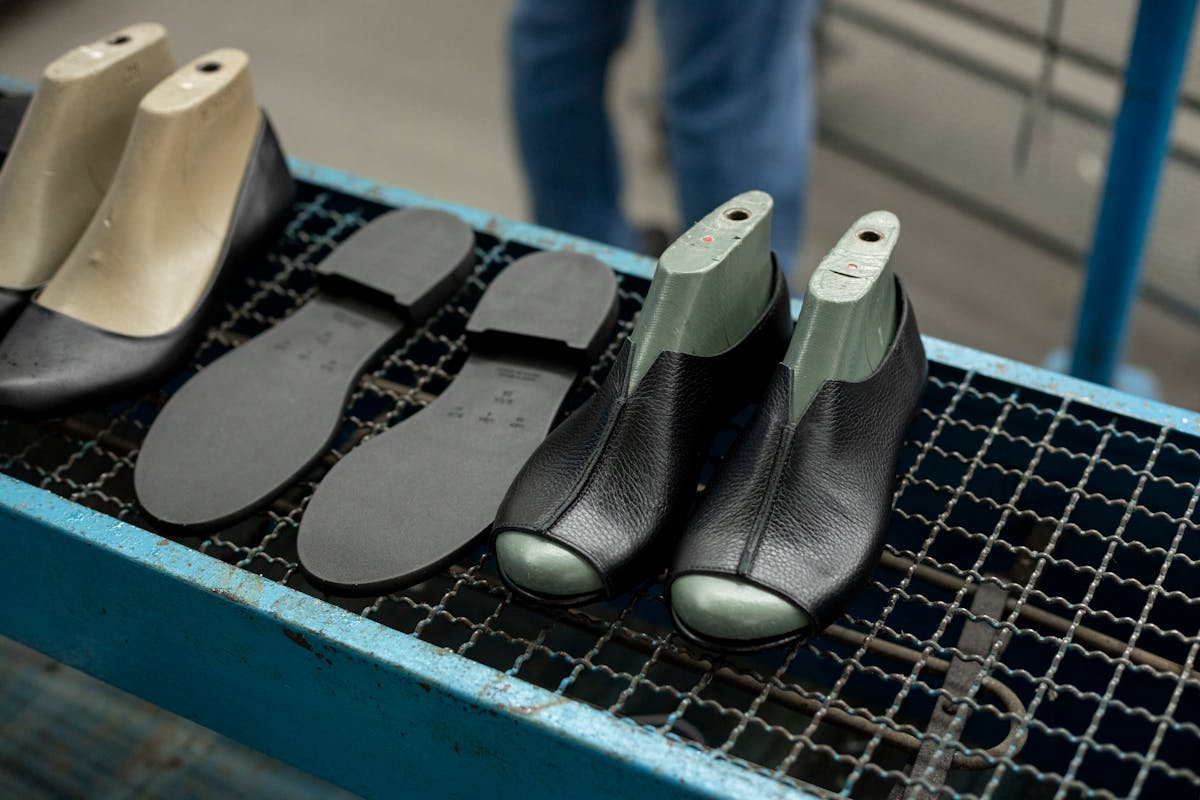
From March 20 to June 21, 2026, the FFCM is running le Printemps des Cordonneries (the Spring of Cobblers) - three months of open doors, demonstrations, and introductory workshops in cobblers’ shops across France. It’s the latest edition of the initiative. The goal is simple: get people through the door. Show them the craft. Explain what a cobbler can do (far more than most people imagine) and what they can’t (repair shoes designed not to be repaired).
This kind of initiative matters more than any financial bonus. Because before you repair, you need to know it’s possible. And before you know, you need to see.
Buy to repair
The bonus réparation is two years old. It hasn’t saved the cobblers. But it’s helped slow their disappearance. It put a number, however modest, on a gesture our economy had made invisible.
The real question isn’t “how much does repair cost.” It’s “what am I buying, and can it be repaired?” A Goodyear-welted shoe, yes. A glued sneaker, no. A full-grain leather bag, yes. A faux-leather bag, no. A 14 oz selvedge jean, probably. A polyester-elastane blend trouser, certainly not.
The bonus réparation won’t change the world. But it says something true: objects have a life after purchase. And someone, at the end of the street, still knows how to take care of them.